


Main air pollutant materials
Figure 1. presents the time-series of the main air pollutants, showing their percentage change compared to the level of the base year (1990). By 2024, for all five pollutants, emissions fell to less than 50% of their 1990 levels. Hungary achieved the most significant results in the case of sulphur oxides (SOx), but also in the emissions of nitrogen oxides (NOx), non-methane volatile organic compounds (NMVOCs) and carbon monoxide (CO) decrease can be observed. The emission of ammonia (NH3) shows a clear decrease in 2022 for the first time since the decline observed at the beginning of the time series. This reduction can primarily be attributed to a significant drop in fertilizer use due to unfavorable market conditions. The decreasing trend continued until 2023, followed by an increase observed again in 2024.
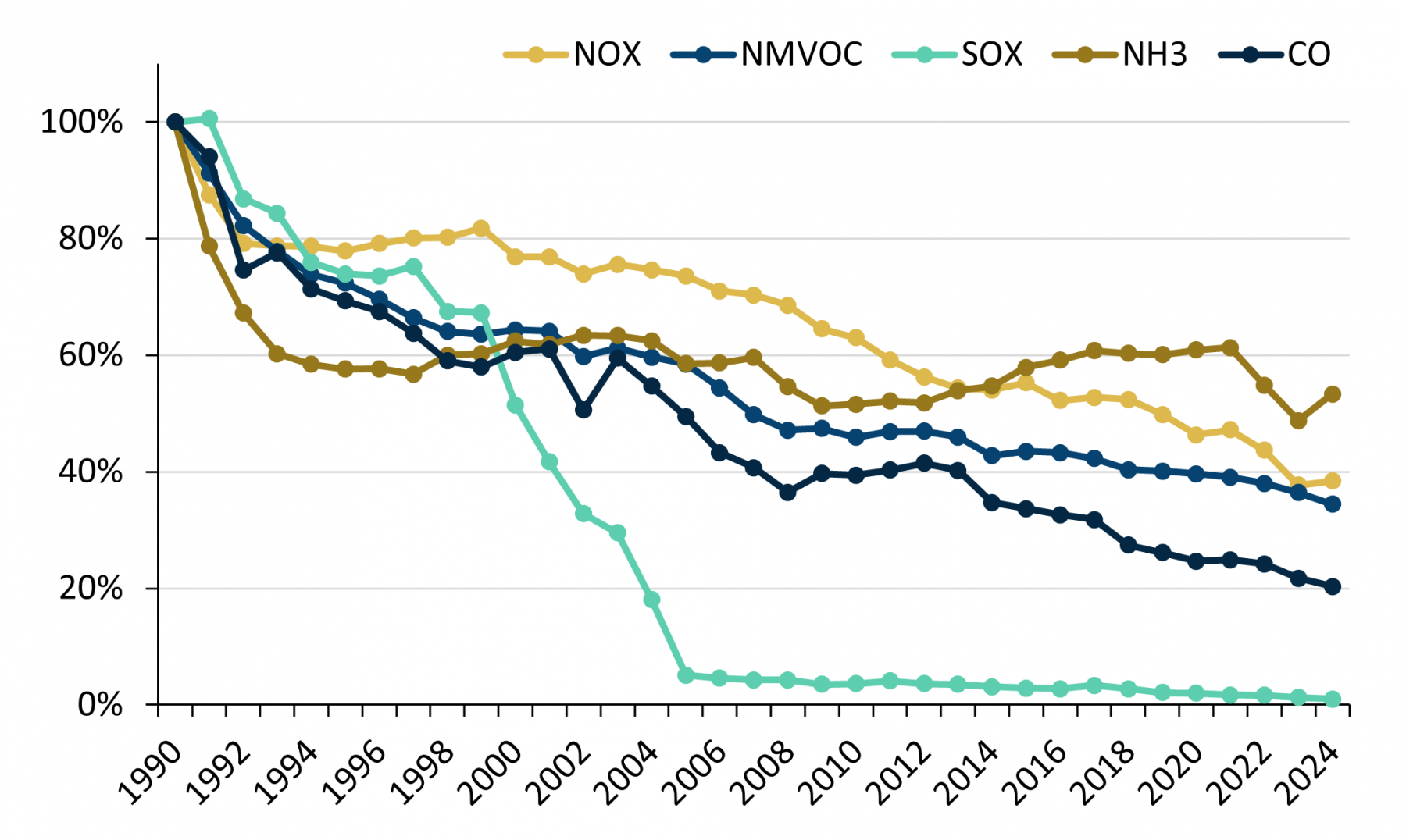
Figure 1. Trend in the emissions of main pollutants between 1990 and 2024
The term nitrogen oxides is usually used to include two gases: nitric oxide (NO), which is a colourless, odourless gas and nitrogen dioxide (NO2), which is a reddish-brown gas with a pungent odour. Nitric oxide reacts with oxygen or ozone in the air to form nitrogen dioxide. These gases form when fuel is burned at high temperatures. NOx pollution is emitted by automobiles, trucks and various non-road vehicles (e.g., construction equipment, boats, etc.) as well as industrial sources such as power plants, industrial boilers, cement kilns, and turbines. Currently, the largest share of NOx emissions (41% in 2024) is associated with the transport sector, particularly internal combustion engines. Since 1990, NOx emissions have decreased by approximately half, with industrial and power sector modernization playing a decisive role in this reduction. Emissions from the transport sector have declined to a lesser extent; in fact, they increased by nearly 30% between 1994 and 2000, mainly due to the growing vehicle fleet. Nevertheless, by 2024, a 49% reduction has been observed compared to 2005 levels.
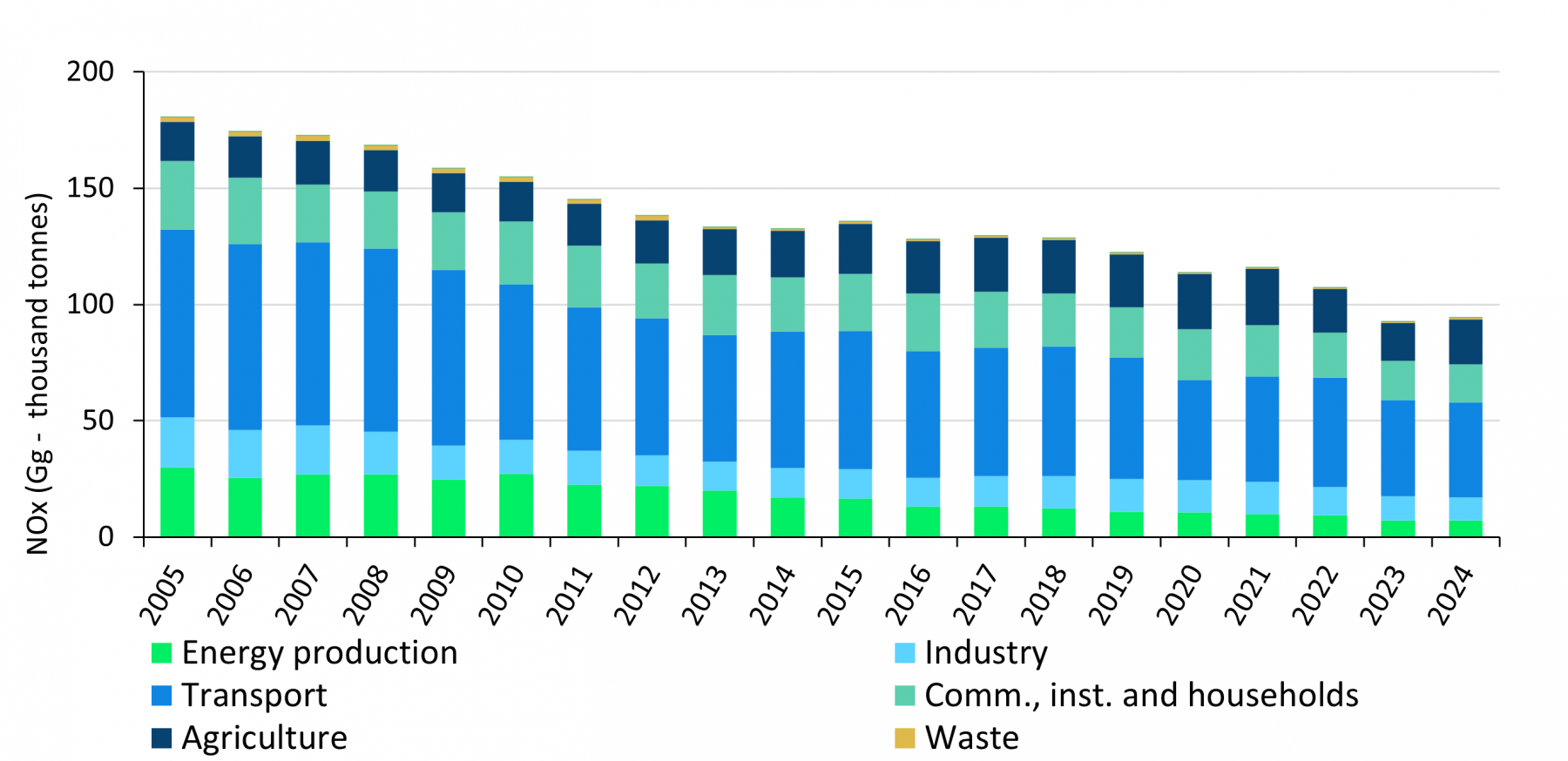
Figure 2: Trends in nitrogen oxide emissions by sector between 2000 and 2024
NMVOCs are all organic carbon compounds other than methane that react with nitrogen oxides and participate in atmospheric photochemical processes when exposed to sunlight. Among the hundreds of such compounds, the simplest ones are, e.g. the benzene, xylene, propane, butene, etc. In 2024, NMVOC emissions are primarily attributed to residential combustion, cattle farming, and the use of products containing NMVOCs. Emissions from transport contribute only 11% to the national total, despite the fact that this sector was the most significant source in the early 1990s, with a share of around 40%. Industrial emissions, on the other hand, have remained relatively stable between 1990 and 2024, with no significant changes observed compared to the transport sector.
The main anthropogenic source of ammonia (NH3) emissions is agriculture, which accounted for 93% of the total national emissions in Hungary in 2024. A large share of this, 40%, originates from manure management, followed by fertilizer application at 39%. Agricultural NH3 emissions have decreased by 44% since 1990. The primary driver of this reduction has been the dramatic decline in livestock numbers, particularly in the pig and cattle sectors. The long-term downward trend is mainly attributable to the significant reduction in livestock populations (especially pigs and cattle) at the beginning of the time series, as well as decreased fertilizer use. However, by 2024, emissions have increased again, primarily due to the stabilization of the fertilizer market and the resulting rise in fertilizer consumption.
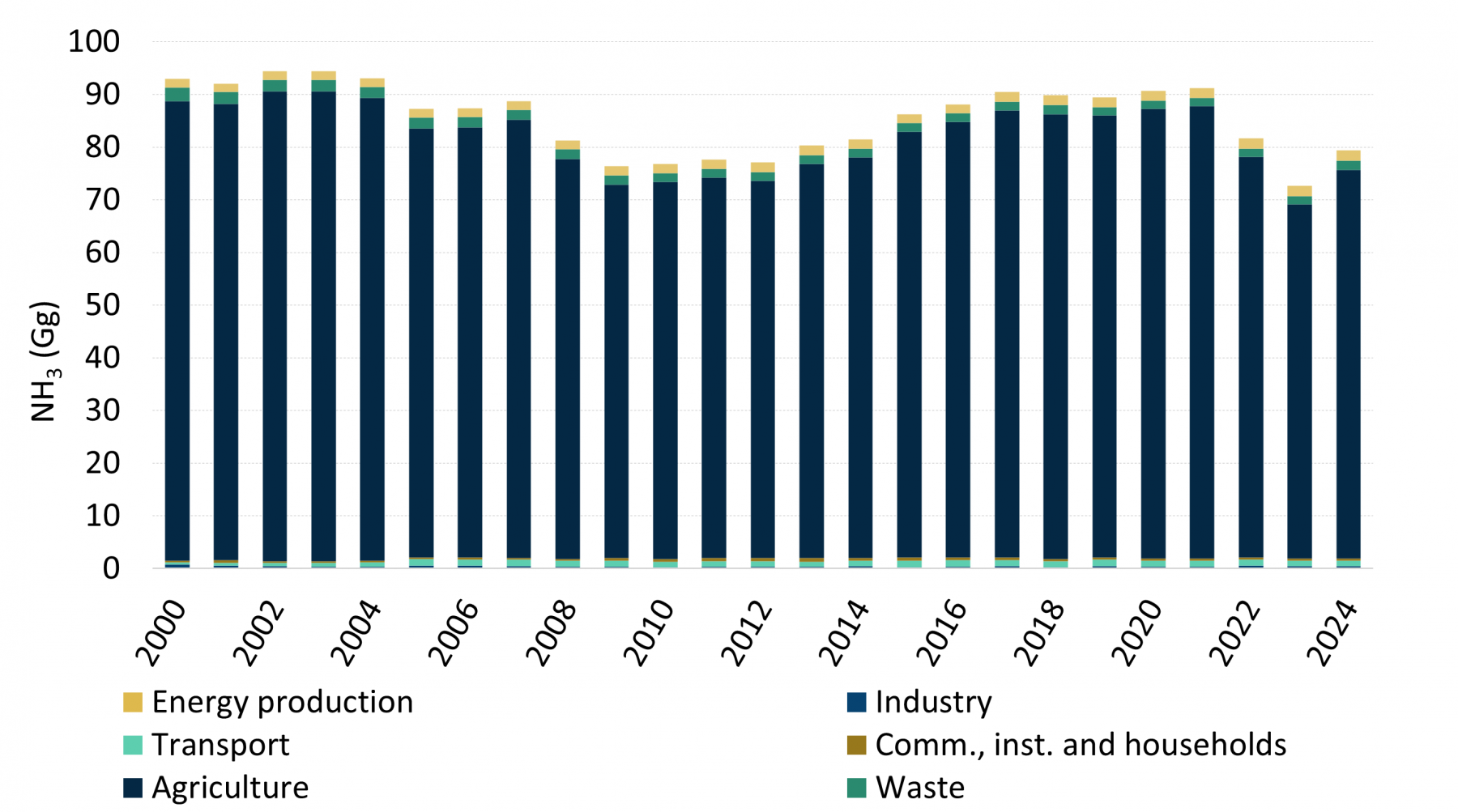
Figure 3: Trends in nitrogen oxide emissions by sector between 2000 and 2024
Sulphur oxides (SOx) are compounds of sulphur and oxygen molecules. Sulphur dioxide (SO2) is the pre- dominant form found in the lower atmosphere. It is a colorless gas that can be detected by taste and smell in the range of 1,000 to 3,000 micrograms per cubic meter. When coal and oil burn, the sulphur in them combines with oxygen in the air to make sulphur oxides. Processing mineral ores that contain sulphur and industrial burning of fossil fuels are also sources of sulphur oxides in the atmosphere. The trend for sulphur oxides between 1998 and 2004 was characterized by a steady and large-scale decline due to investments to reduce emissions. In addition to the regime-change in 1989, by waste gas desulphurization and fuel changing in big industrial processes, one of the major environmental problems of the 1980s, the destructive effect of acid rains, was reduced. By 2024, emissions had decreased by 99% compared to the base year, reaching 8.5 kt. In 2024, the energy sector accounted for the largest share of total emissions (44%), with electricity and heat production representing the main anthropogenic source of SOx. This is followed by residential combustion (29%) and the chemical industry (15%).
Carbon monoxide (CO) is a colorless, odourless, tasteless, and toxic air pollutant. Breathing CO at high concentrations leads to reduced oxygen transport by hemoglobin, which has health effects that include impaired reaction timing, headaches, lightheadedness, nausea, vomiting, weakness, clouding of consciousness, coma, and, at high enough concentrations and long enough exposure, death. Carbon monoxide is produced in the incomplete combustion of carbon-containing fuels, such as gasoline, natural gas, oil, coal, and wood. Residential combustion plays a leading role in carbon monoxide emissions. In 2024, annual CO emissions in Hungary amounted to 287 kt, representing an 80% reduction compared to 1990 levels. The main sources are residential combustion (70%) and transport (21%), both of which emit carbon monoxide as a result of incomplete combustion.
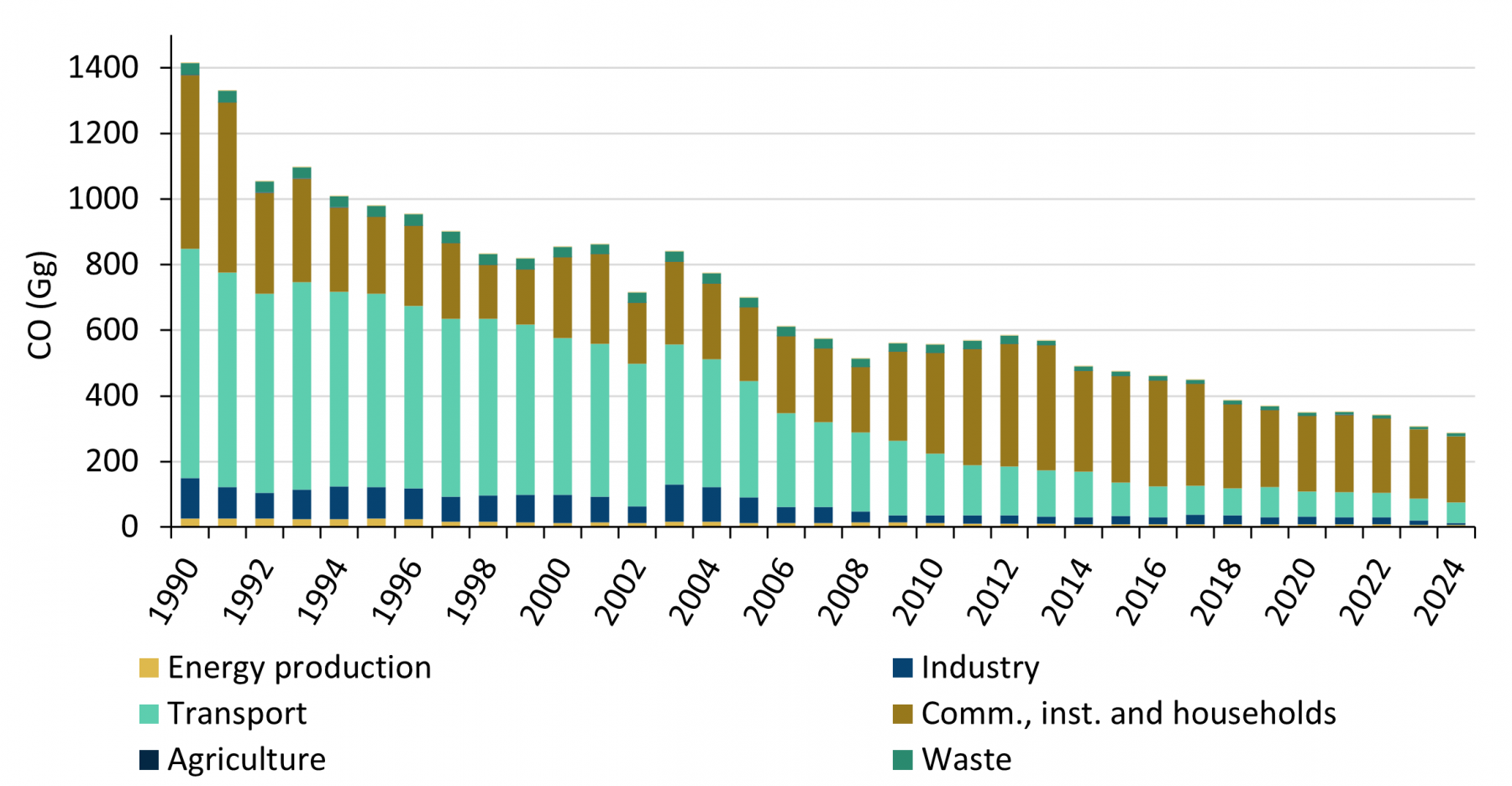
Figure 4: Trends in nitrogen oxide emissions by sector between 2000 and 2024